


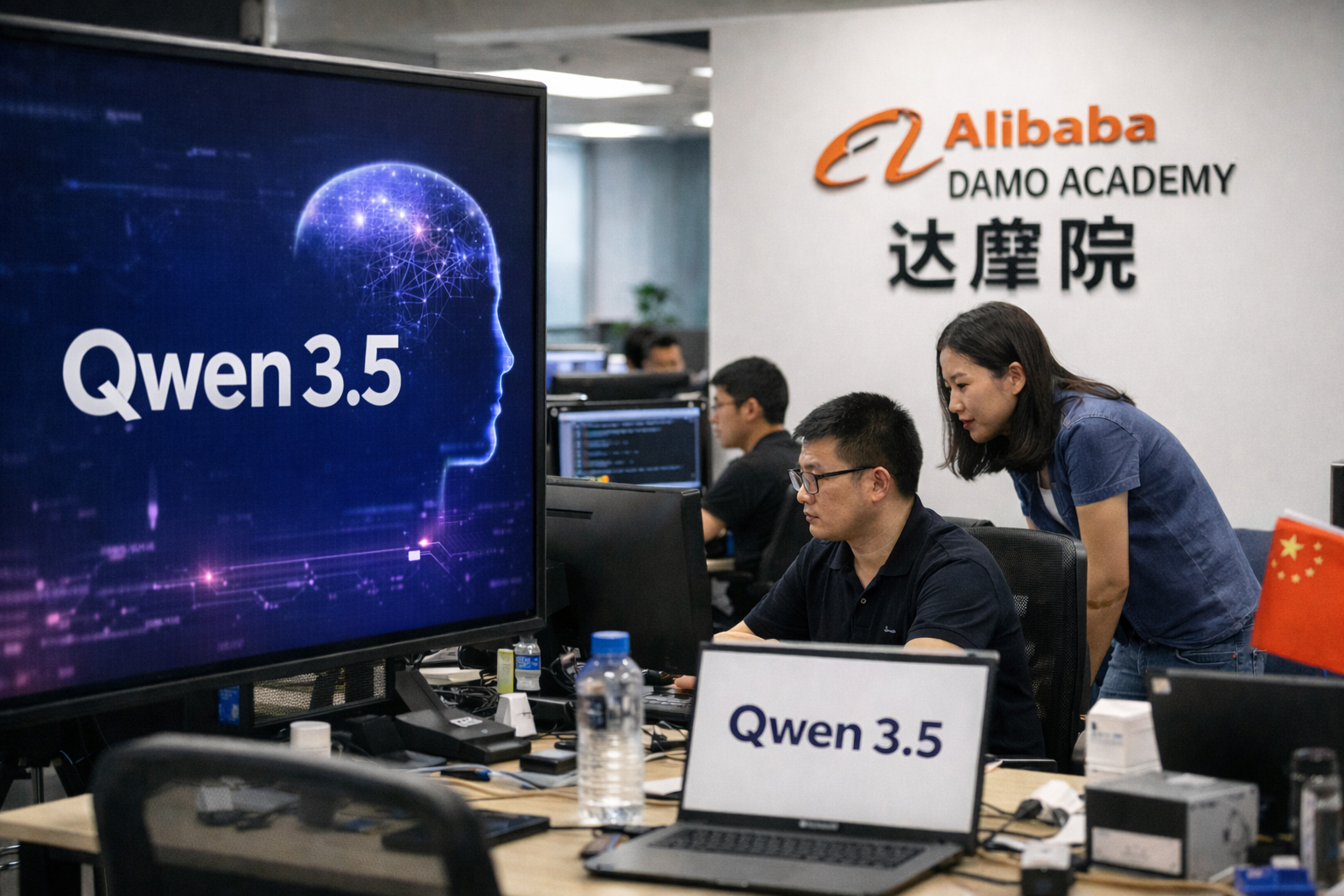
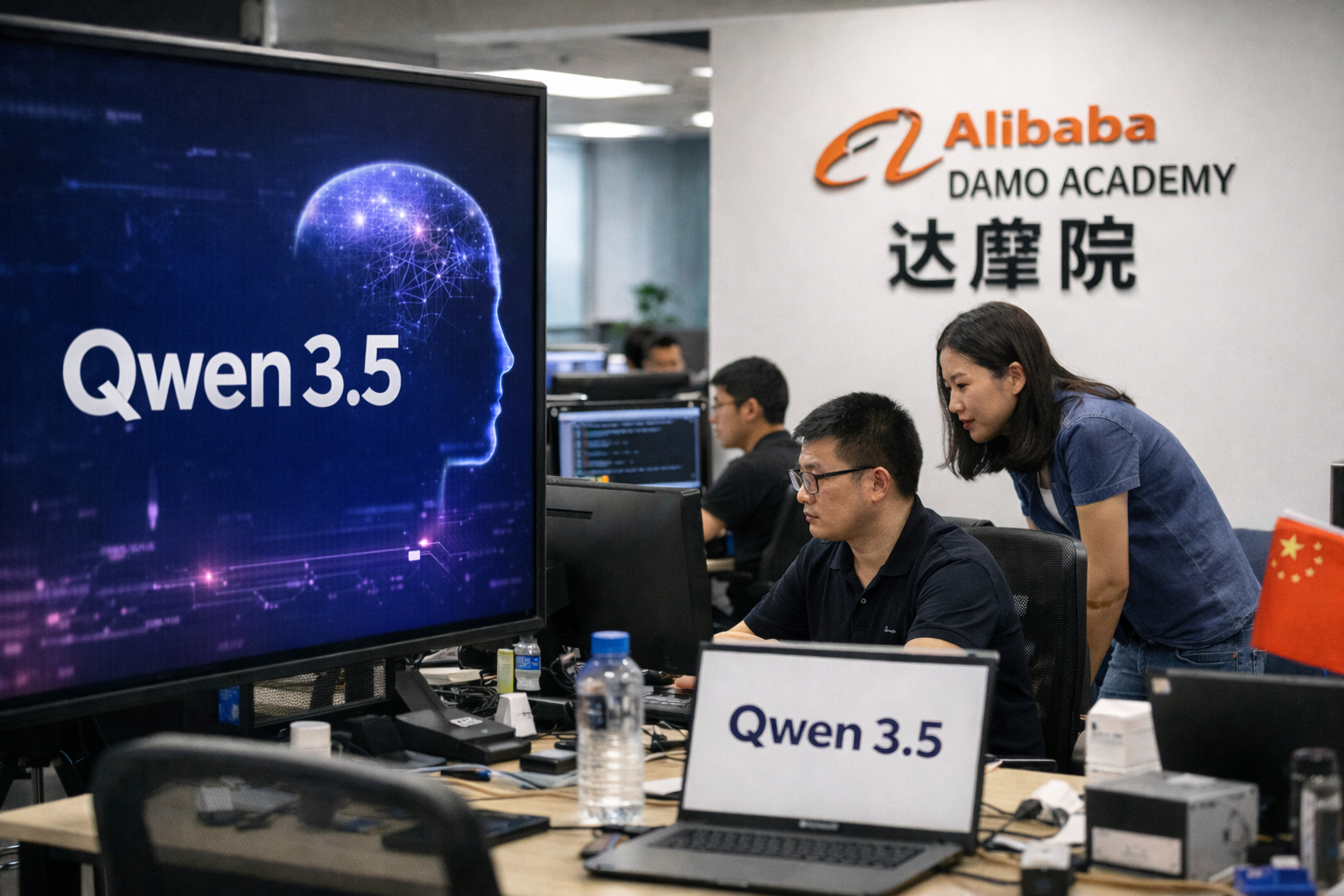
Alibaba stock tanked after Thursday’s earnings despite the company delivering its strongest cloud growth in years, as investors focused on the cost of its artificial-intelligence buildout.
The US-listed shares fell about 5% after the results, then recovered much of the decline later.
Alibaba reported June-quarter revenue of RMB268.95 billion, up 9% year on year, while AI Cloud and Compute Services revenue surged 45% to RMB48.44 billion, the fastest pace in 22 quarters.
The problem was profitability, as net income fell 75%, capital expenditure jumped 75% to RMB67.68 billion and free cash flow widened to an outflow of RMB44.67 billion.
Alibaba’s cloud delivered, but investors focused on the cost
The cloud numbers were strong. AI Cloud and Compute Services adjusted EBITA rose 133% to RMB5.63 billion, while AI-related products delivered triple-digit growth for a 12th consecutive quarter.
But those gains came alongside rapidly expanding investment.
Alibaba said higher spending reflected additional computing capacity, chip purchases and rising component prices as it builds infrastructure for AI training and inference.
The contrast was sharper elsewhere in the AI portfolio.
AI Labs and Applications posted an adjusted EBITA loss of RMB13.86 billion, compared with a smaller loss a year earlier, as Alibaba spent heavily on AI capabilities and absorbed higher inference costs for Qwen.
That explains the initial reaction, as investors are asking how quickly that demand can translate into cash returns large enough to justify the investment needed to serve it.
Alibaba’s AI bet grows as commerce remains under pressure
The spending would be easier to absorb if Alibaba’s traditional cash engine were accelerating at the same pace.
Instead, China’s e-commerce revenue fell 8% to RMB110.9 billion, while customer management revenue declined 7%.
Alibaba said that measure would have risen about 1% on a like-for-like basis after adjusting for a new business-development programme, but weaker transaction activity still weighed on growth.
Morgan Stanley analyst Gary Yu had warned about that tension before the results.
The analyst said that Alibaba’s “core e-comm businesses have started to worsen, due to weak consumption,” even as the bank continued to describe the company as “China’s Best AI Enabler.”
Yu remained Overweight, reflecting the split facing investors: Alibaba’s fastest-growing business is AI cloud, but the larger commerce operation is providing less growth to cushion the investment cycle.
Wall Street still sees value in the AI buildout
The bull case remains. Alibaba is showing that customers are paying for AI infrastructure, not merely experimenting with it.
Morgan Stanley recently estimated Chinese cloud providers could generate roughly 13% to 20% returns on invested capital from AI compute, with Alibaba particularly well positioned because of its scale, cloud customer base and Qwen ecosystem.
UBS had also anticipated the cloud acceleration.
Analysts led by Kenneth Fong said in a note cited by the South China Morning Post that “the market is likely to refocus on its valuable AI assets and AI growth angle,” while forecasting roughly 45% cloud growth.
Management offered another number on Thursday.
Chief Executive Eddie Wu said Alibaba expects its AI-related capital expenditure to break even within about three years at current average gross margins, potentially improving as the company deploys more proprietary chips and lowers infrastructure costs.
The post Why is Alibaba stock falling despite 45% cloud growth and booming AI demand? appeared first on Invezz

