


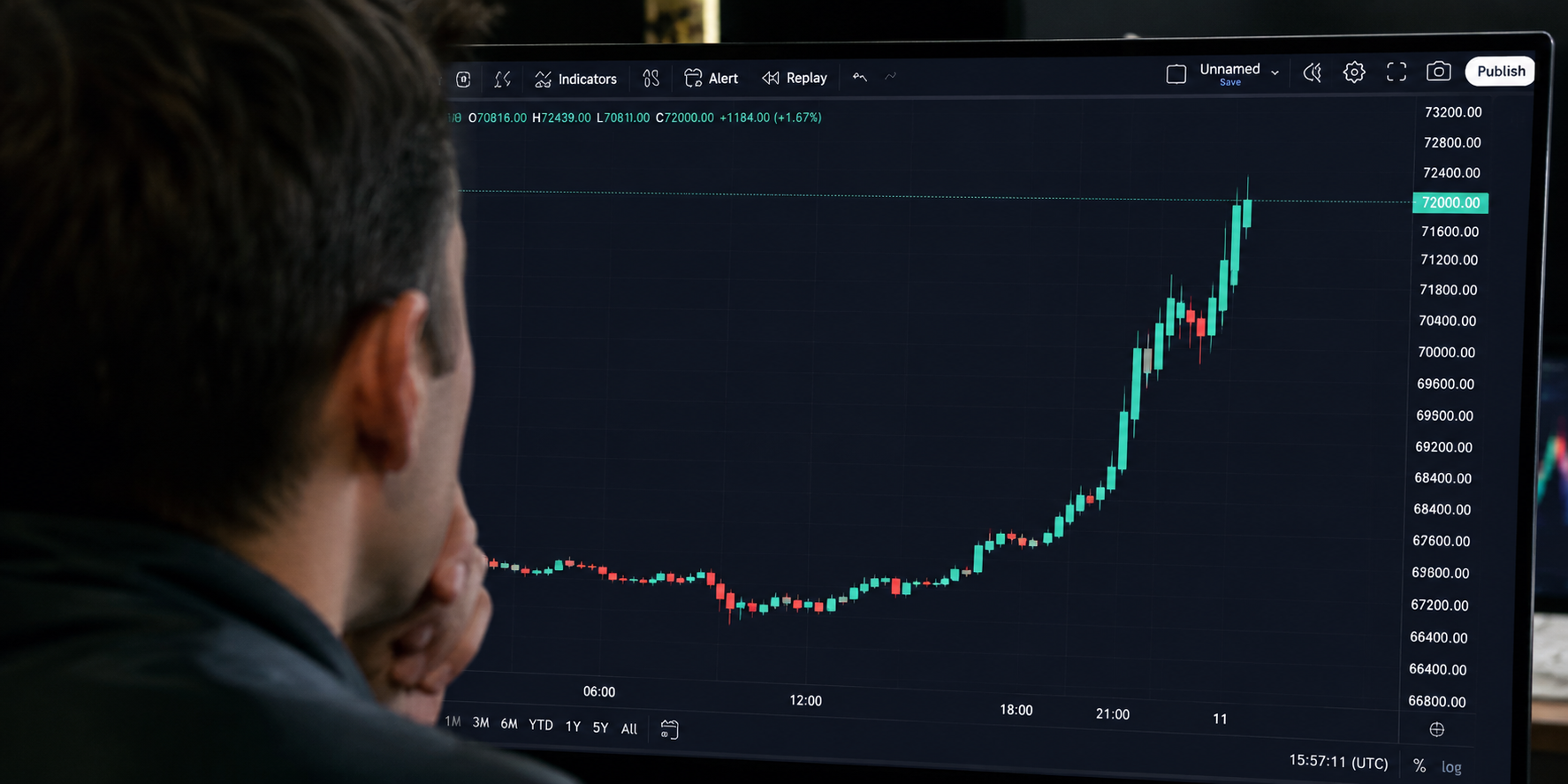
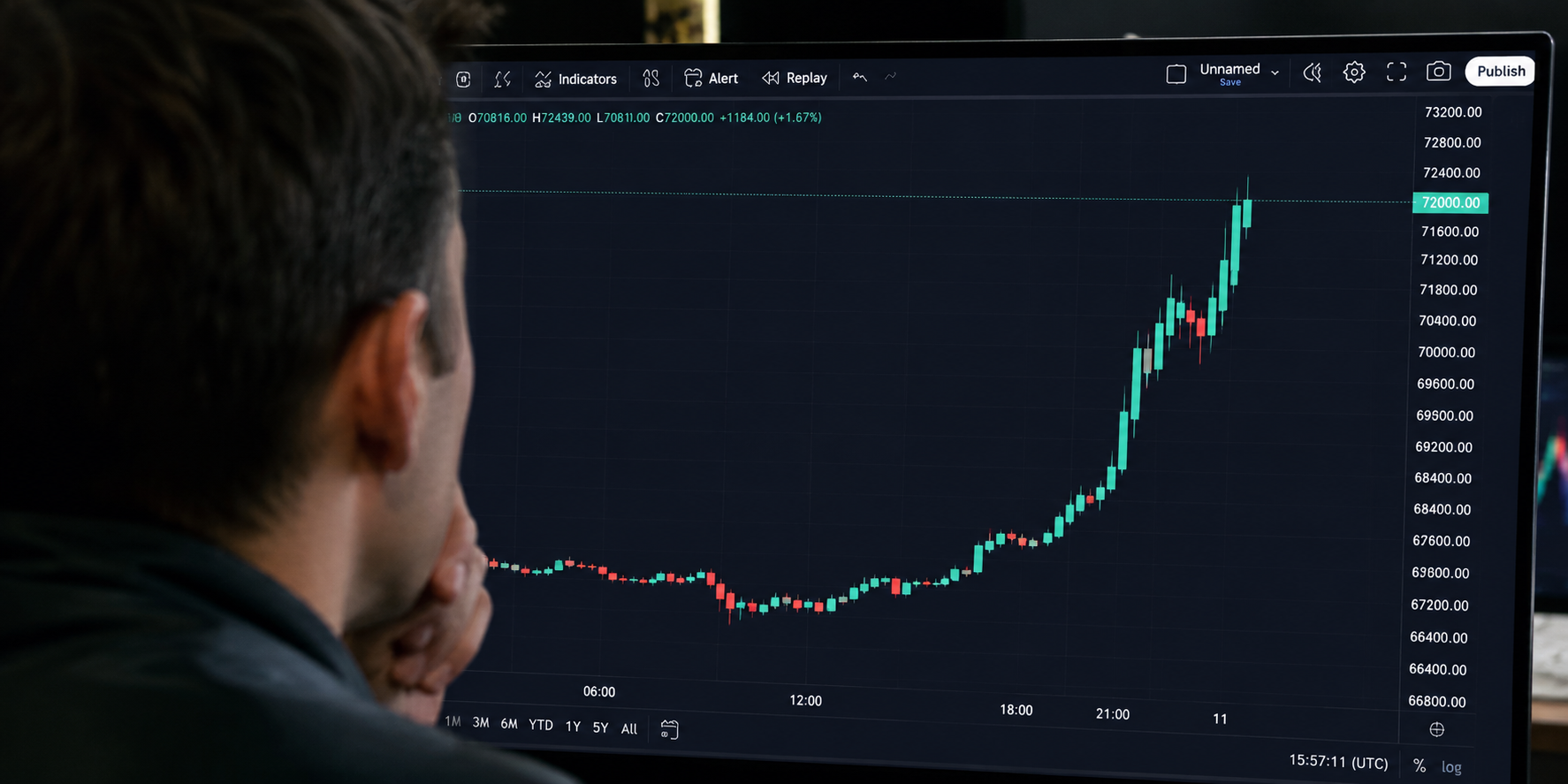
Bitcoin (BTC) has charged back above the $72,000 threshold – igniting a fresh wave of optimism across the cryptocurrency market.
The sudden surge followed an unexpected liquidity decision by the US Treasury Department that catalyzed risk assets and sparked renewed fears over currency debasement.
Reacting to the sudden price movement, Matthew Sigel – the Head of Digital Assets Research at VanEck – said that in an environment characterized by interest rate pressures and structural dollar weakness, Bitcoin remains “one of the best hedges you can find.”
Bitcoin’s overall performance in 2026 nonetheless remains disappointing, with the world’s largest cryptocurrency by market cap currently down some 20% year-to-date.
What’s behind Sigel’s bullish remarks on BTC
Explaining the macro driver behind the rally, Sigel dismissed the notion that Bitcoin is trading on pending legislative efforts (Clarity Act).
Instead, he pointed directly to US Treasury issuance policy, warning that heavily relying on short-term T-bills – which currently make up roughly 23% of marketable debt, well above the Treasury Advisory Committee’s recommended 15% to 20% range – triggers severe fiscal dominance.
Speaking with CNBC, Sigel noted that short-end financing rapidly escalates budget deficit costs when interest rates stay elevated, forcing pressure onto the US dollar.
Pointing out that BTC’s primary 15-year correlation has been a negative relationship with USD, he highlighted that 8 out of 12 internal capitulation indicators have turned positive following a 10-month correction.
With a massive $3 billion in short positions liquidated within 24 hours, Vaneck’s expert maintained his price target of $100,000 in the near term and up to half a million dollars by 2029.
What else could drive Bitcoin higher in the near-term
While macro factors dominate Sigel’s analysis, legislative tailwinds are contributing to the positive market sentiment as well.
Coinbase chief executive Brian Armstrong expressed confidence earlier in the day regarding next month’s anticipated vote on the Clarity Act – predicting the bill will cross the 60-vote threshold in the Senate as both political parties have secured roughly 90% of their key objectives.
Although prediction platforms like Kalshi remain far more conservative, pricing in roughly a 23% probability of the bill becoming law before year-end, traders view regulatory progress as a potential secondary catalyst.
Clear statutory definitions for digital assets could unlock structural institutional inflows, offering an added layer of support alongside fiscal debasement narratives.
Sigel’s view is in stark contrast to Mark Cuban’s
Sigel’s strong defense of Bitcoin as a hedge stands in stark contrast to “high-profile skeptics” like billionaire investor Mark Cuban.
Cuban has repeatedly voiced disappointment regarding Bitcoin’s performance during periods of economic instability, arguing that narratives surrounding fiat debasement and inflation protection are largely marketing slogans.
According to him, BTC behaves more like a speculative tech asset driven purely by supply and demand rather than a stable harbor against currency devaluation.
However, pro-crypto research heads like Sigel maintain that when structural debt and falling real rates begin capping policy options, Bitcoin’s fixed supply makes it an indispensable tool for capital preservation.
The post Bitcoin dubbed 'one of the best hedges you can find' – again appeared first on Invezz

