

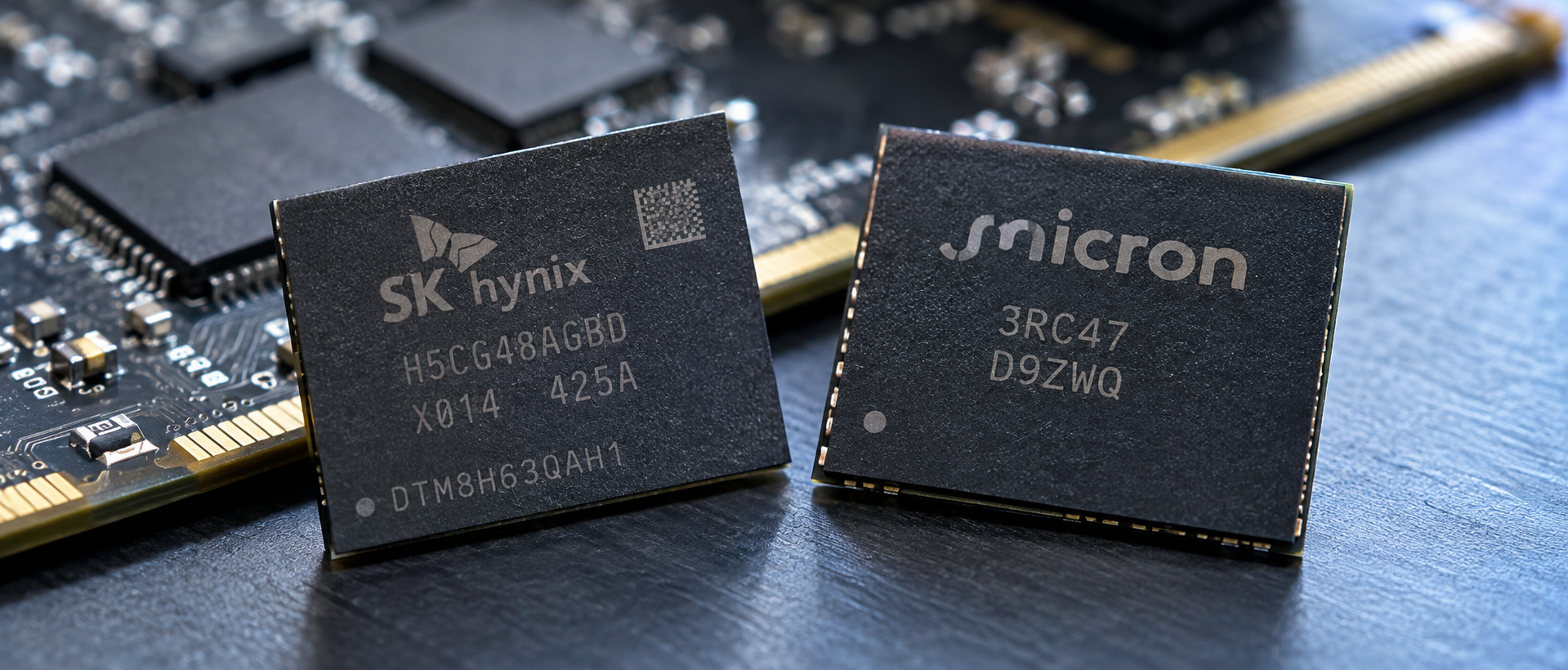
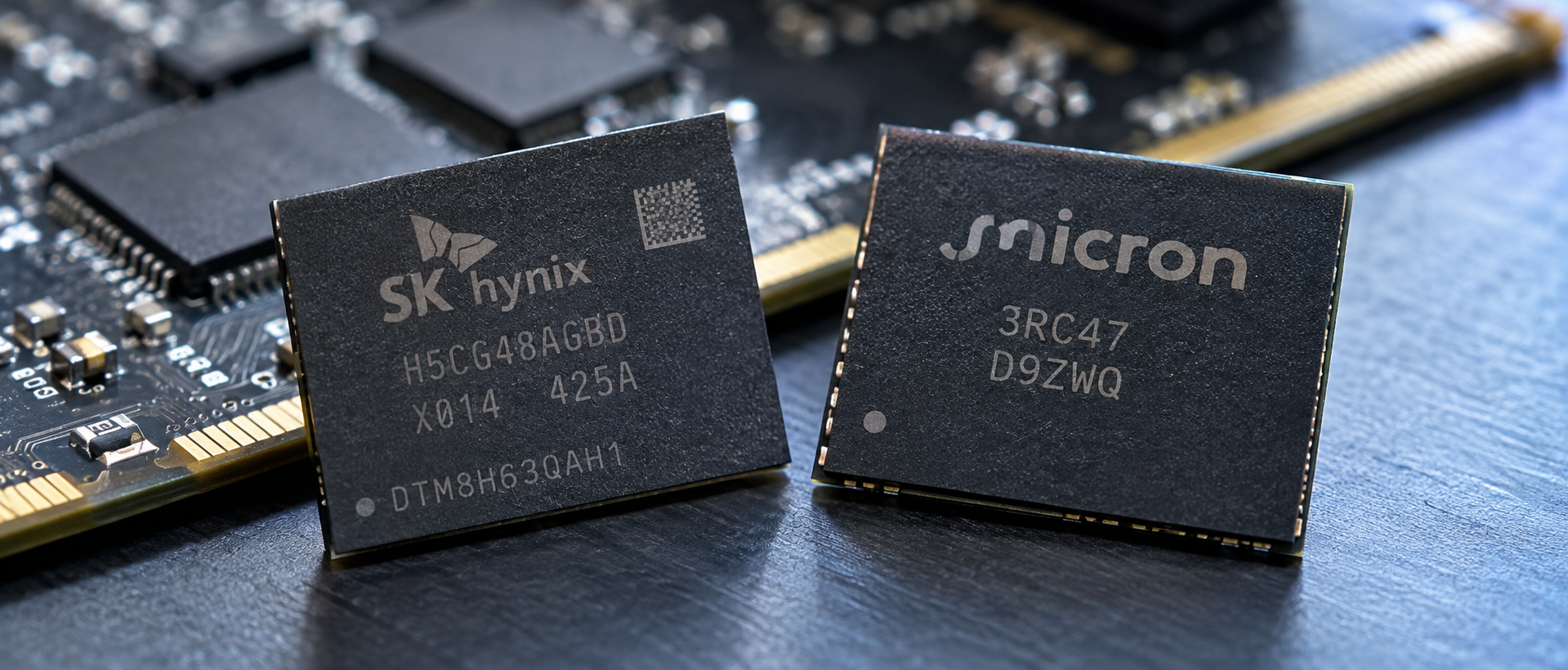
Memory stocks, including Micron Technology, SK Hynix and SanDisk, traded lower on Wednesday as hotter-than-expected US inflation and persisting concerns about Chinese semiconductor manufacturer CXMT pressured the sector.
Micron shares fell around 1.6%, while SK Hynix declined 3.5% and SanDisk dropped 3%.
The S&P 500 technology index was trading at its lowest level in more than two weeks, while the broader S&P 500 fell around 0.7% and the Nasdaq Composite declined approximately 0.9%.
The broader semiconductor sector has also remained under pressure lately as investors weigh the implications of higher interest rates and potential constraints on artificial intelligence spending.
The Philadelphia Semiconductor Index fell around 2% on Wednesday and has lost approximately 7% over the past five sessions.
Hotter US inflation raises rate hike expectations
The latest weakness in technology shares came after US consumer prices accelerated in September, driven partly by a surge in gasoline costs.
The inflation report prompted traders to increase their expectations of an interest rate hike this month, adding another source of uncertainty for growth-sensitive stocks.
According to LSEG-compiled data, markets were pricing in a 46% probability of a quarter-percentage-point rate increase in October, compared with 21.6% before the inflation figures were released.
Higher interest rates can weigh on technology stocks by increasing the discount rate applied to future earnings and making investments in riskier assets less attractive.
For semiconductor companies, the concern comes alongside questions about whether the enormous investment in AI infrastructure can continue at its current pace.
CXMT’s technology breakthrough fuels competition concerns
Meanwhile, memory stocks continue to be pressured by progress by China’s ChangXin Memory Technologies (CXMT) in developing a next-generation memory cell architecture.
CXMT President Cao Kanyu told an industry conference that the company had achieved a key advance in a technology known as 4F-squared.
The architecture could allow more memory cells to fit on a chip of the same size as the existing 6F-squared structure.
The Chinese chipmaker plans to introduce a new server-memory product based on the technology by the end of 2026, according to a company statement.
The announcement raised concerns about the pace at which Chinese manufacturers could improve their technological capabilities and potentially challenge established memory producers with lower-cost products.
Micron has lost about 13% over the past five trading sessions, and SK Hynix has fallen more than 14% as the concerns have ceased to abate.
Morningstar equity analyst Jing Jie Yu said the announcement had disrupted investor expectations about technology development timelines and heightened concerns about the accelerating pace of Chinese innovation.
“If the company can commercialize this technology ahead of its peers, it speaks volumes to China’s DRAM technological competitiveness and raises risks of oversupply longer term given the country’s rapid expansion in DRAM capacity,” he said.
Analysts see important differences between Chinese and Korean manufacturers
However, analysts have cautioned against interpreting CXMT’s progress as evidence that South Korean memory manufacturers are losing their technological advantage.
Memory producers can improve productivity per wafer through several methods without changing their underlying cell architecture.
Restrictions imposed by the US on China’s access to semiconductor manufacturing equipment could also complicate CXMT’s efforts to advance its production capabilities.
“Korean companies have some easy methods they can use, and once those are exhausted, they’ll have to start tackling the more difficult ones. But with CXMT, the US has imposed restrictions preventing the sale of equipment, so there are no easy solutions,” CW Chung, a senior analyst at Nomura based in Hong Kong, said in a Nikkei Asia report.
“Since there’s no easy solution, the company is now resorting to stopgap measures, either multi-patterning or trying to adopt this 4F-squared technology a bit sooner.”
Another important distinction is that CXMT’s latest announcement primarily concerns conventional DDR5 server memory rather than high-bandwidth memory (HBM), which has become increasingly important to AI infrastructure.
“That’s an important distinction because HBM is becoming one of the most valuable parts of the memory industry, with Micron, Samsung, and SK Hynix benefiting from enormous AI demand,” said Melvin, Milk Road analyst.
The distinction matters even more for SanDisk, which has been caught in the selloff even though it primarily manufactures NAND flash memory, not DRAM.
The stock has lost 14% in the last five trading sessions.
Analysts say near-term investment case remains unchanged
Despite the market reaction, some analysts believe CXMT’s announcement does not materially alter the near-term outlook for established memory producers.
Mizuho TMT specialist Jordan Klein said the latest development did not change the investment case for Micron, SanDisk, SK Hynix or Samsung Electronics.
“I would not be selling or in a panic if I owned MU, SNDK, SKHY or Samsung over comments yesterday by CXMT sr mgmt. about their new advanced DDR5 design roadmap. To me this changed nothing near term. Something to watch and monitor closely, but that is about it,” Klein wrote in a note to clients.
For investors, the immediate challenge is separating the potential long-term competitive threat from China’s expanding memory industry from the near-term earnings outlook of established producers.
While CXMT’s technological progress could have implications for competition and future supply, the distinction between conventional server memory and HBM remains important as AI demand continues to shape the industry’s investment outlook.
The post Why are Micron, SK Hynix, SanDisk stocks falling on Wednesday? appeared first on Invezz

