

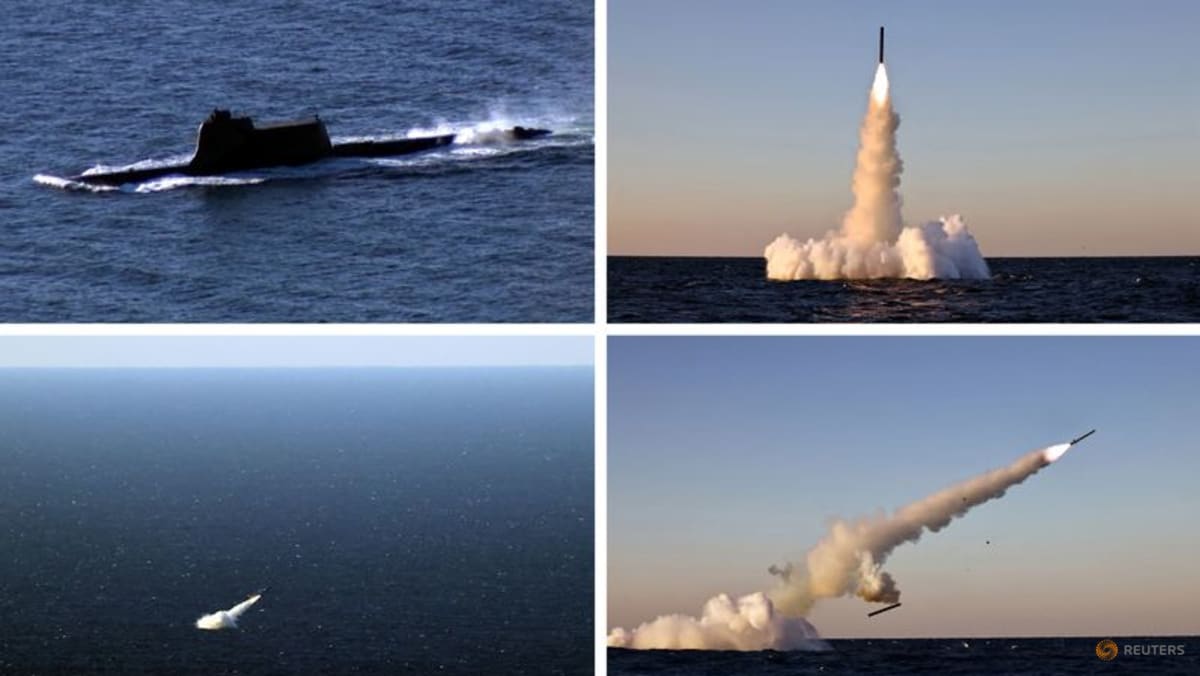
The latest activities could serve several purposes simultaneously, including reinforcing Pyongyang’s anti-South Korea policy and signalling the importance it attaches to its relationship with China, he added.
For South Korea, meanwhile, the challenge is to maintain credible deterrence while avoiding an escalation that could lead to armed conflict.
Kim from IISS said the administration of President Lee Jae Myung faces pressure to demonstrate resolve following the September landmine incident, particularly after pledging further retaliatory action over what Seoul said was North Korea’s placement of mines south of the Military Demarcation Line (MDL).
The government may feel compelled to demonstrate its military capabilities to Pyongyang while reassuring the South Korean public that it is taking a firm stance, she said.
But Seoul also faces a diplomatic dilemma.
While the Lee administration would welcome a reduction in US-North Korea tensions, it would be wary of Washington pursuing an arms-control agreement with Pyongyang instead of denuclearisation, Kim said – potentially leaving South Korea exposed to the North’s nuclear threats.

