



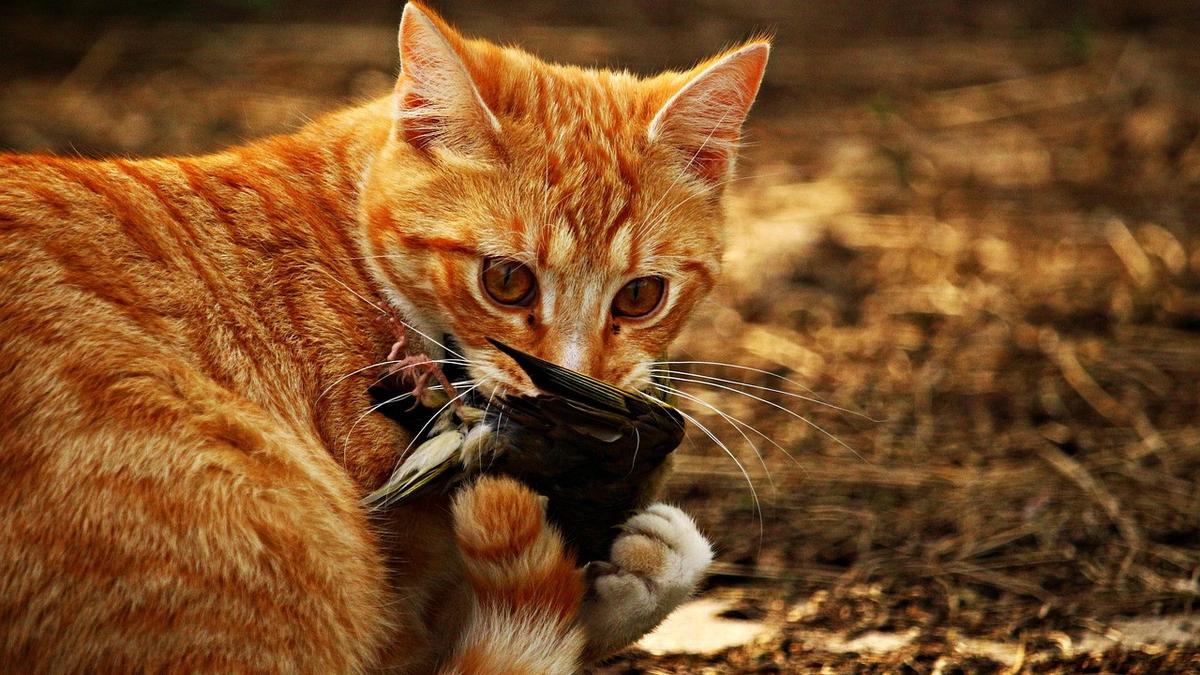
A Perth non-profit has issued an urgent warning to cat owners after two cases of bird flu were discovered in Western Australia.
Craigie rescue organisation 9 Lives Cat Rescue shared a lengthy biosecurity alert to WA locals explaining how avian influenza can impact pet felines across the state.
“While this virus primarily affects birds, it can also infect cats under certain conditions — particularly through contact with infected birds (including wild birds), contaminated environments, or raw infected poultry products,” the non-profit wrote in a post.
“Infected birds shed high levels of virus, and cats that hunt, scavenge, or are exposed to contaminated areas are at risk.”
The World Organisation of Animal Health has said bird flu is a serious illness that can be life-threatening in felines.
The non-profit organisation has provided a range of preventative measures that cat owners can implement to ensure the safety of their pets.
Cats should be kept away from birds and owners are encouraged to avoid feeding raw or undercooked poultry products.
Owners should wash hands after handling animals outside the household or being in heavy bird areas, with owners also urged to check for any bird faeces on their shoes or clothing before entering the home.
The biggest preventative measure cat owners can take to ensure the health of their feline is by keeping their pet indoors at all times.
“We know many cats are used to outdoor access, but this is a changing environment with new biosecurity risks — small changes now can prevent devastating illness later,” the non-profit wrote.
“Keeping your cat indoors or safely enclosed within your property is one of the best ways to protect them from disease, injury, or emerging biosecurity risks.”

The rescue organisation’s stark warning comes as Victoria’s leading animal hospital also urged pet owners to take extra precautions.
“Pets are at a higher risk of picking up infection as they roam, even if they do not bring carcasses home, especially if you live near bushland, waterways or the ocean,” a spokesperson for the veterinary hospital told the Herald Sun.
“Owners should keep their animals on a leash in wildlife areas to minimise coming into contact with potentially affected birds.
“If your pet shows severe respiratory symptoms — especially after exposure to raw diets, farm environments or sick birds — it is a medical emergency even if it is not related to the current outbreak.”
Bird flu has been proven to be contagious to mammals, with thousands of seal pups already dying from the flu outbreak on Australian territory Heard Island.
The first documented case of a household pet contracting the H5 virus occurred in Thailand in 2004, when domestic cats and dogs died from eating contaminated bird meat.
While cat-to-human transmission remains rare, global health agencies have reported cases of humans catching bird flu from their pets.
Australia is the last continent to have recorded cases of avian influenza, which is thought to have claimed the lives of hundreds of millions of birds across the planet.
Members of the public who encounter a sick or dead bird should not touch or handle it — instead, they should report it to the 24/7 Emergency Animal Disease Hotline on 1800 675 888.
SYMPTOMS OF BIRD FLU IN PETS:
- Fever
- Fatigue
- Low appetite
- Reddened or inflamed eyes
- Discharge from the eyes and nose
- Difficulty breathing
- Neurological symptoms, like tremors, seizures and blindness

