

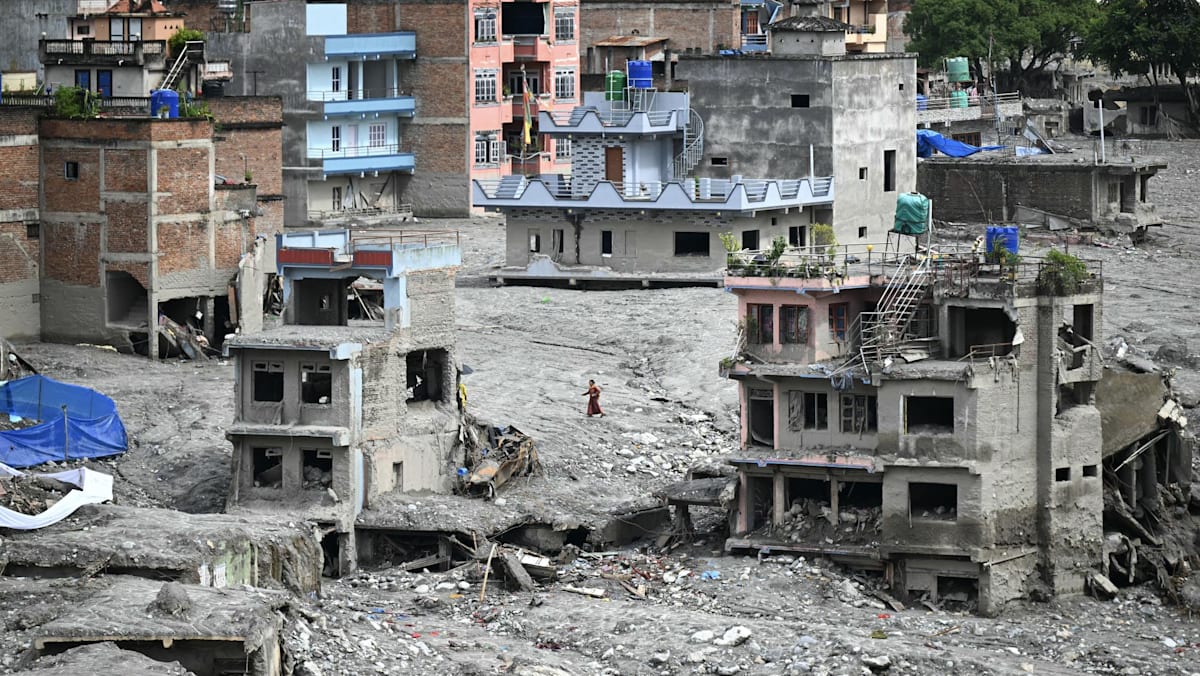
“PAIN IS DEEP”
Scientists from the World Weather Attribution group have said climate change was a key driver of the disaster, describing it as a “compound crisis” fuelled by long-term warming, glacier retreat, permafrost thaw and geological instability rather than a single extreme weather event.
The flooding has added urgency to Nepal’s calls for climate finance and compensation from wealthy nations.
Countries agreed to create a “loss and damage” fund in 2025 to help vulnerable states cope with climate impacts, although payments have yet to begin.
The stakes extend far beyond Nepal.
Glaciers across the wider Hindu Kush-Himalayan region supply water to some 240 million people in the mountains and another 1.65 billion living downstream across South and Southeast Asia.
Manjeet Dhakal of Climate Analytics said the disaster gave Nepal “a very strong ground” to make the case for climate justice before the international community.
“We should … remind the global community of its responsibility to urgently reduce emissions to limit temperature rise and scale up support for climate action in vulnerable countries,” he said.
“This sympathy has to be translated into real action.”
Survivors such as 51-year-old Narayan Prasad Khatiwada hope that the suffering of those who lost everything is not forgotten once the world’s attention moves on.
“We are a small country. If we had all the resources, we would not need support from anyone. The big countries must help,” he said.
“I hope the prime minister delivers a good message. Our pain is deep, very deep.”

