

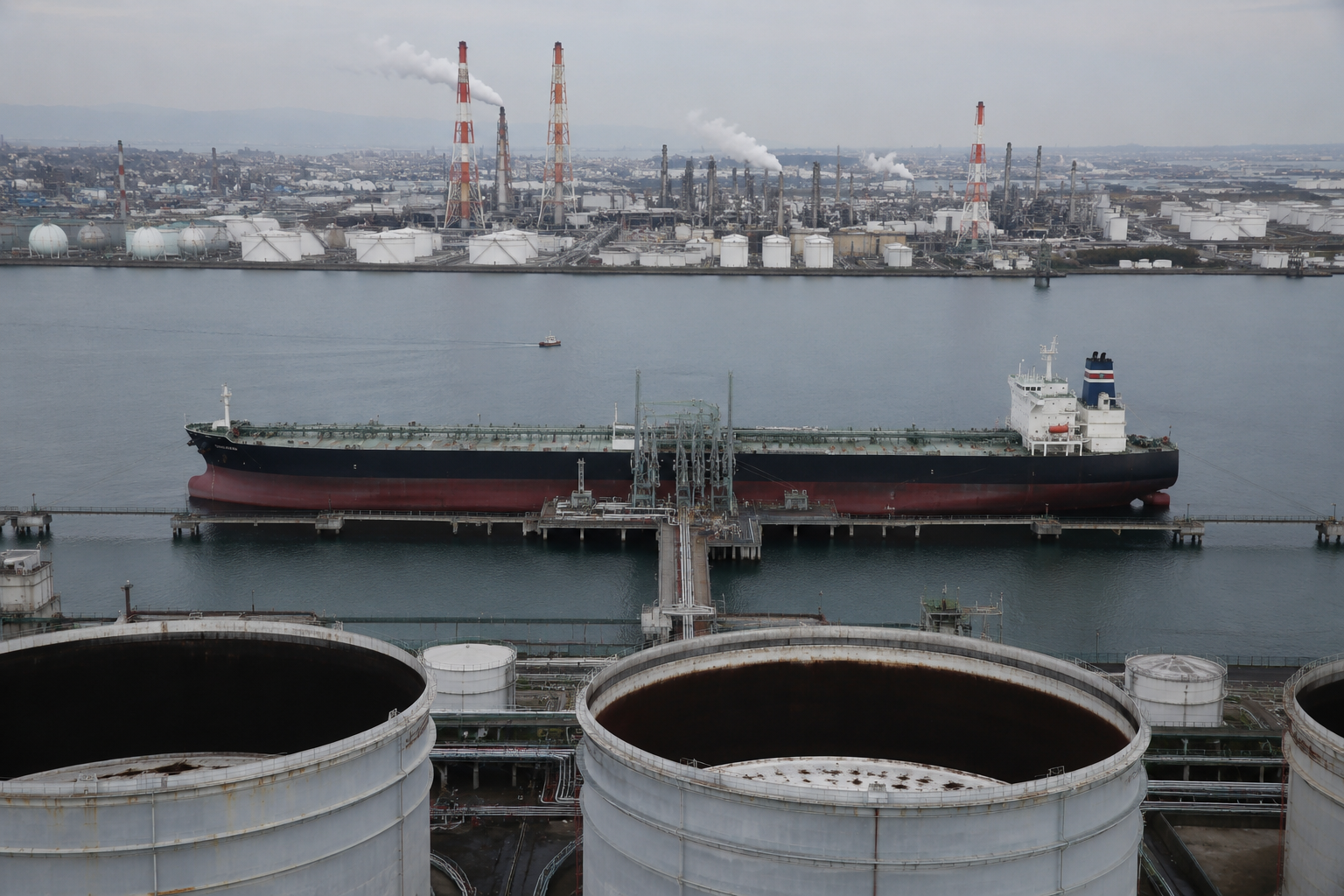
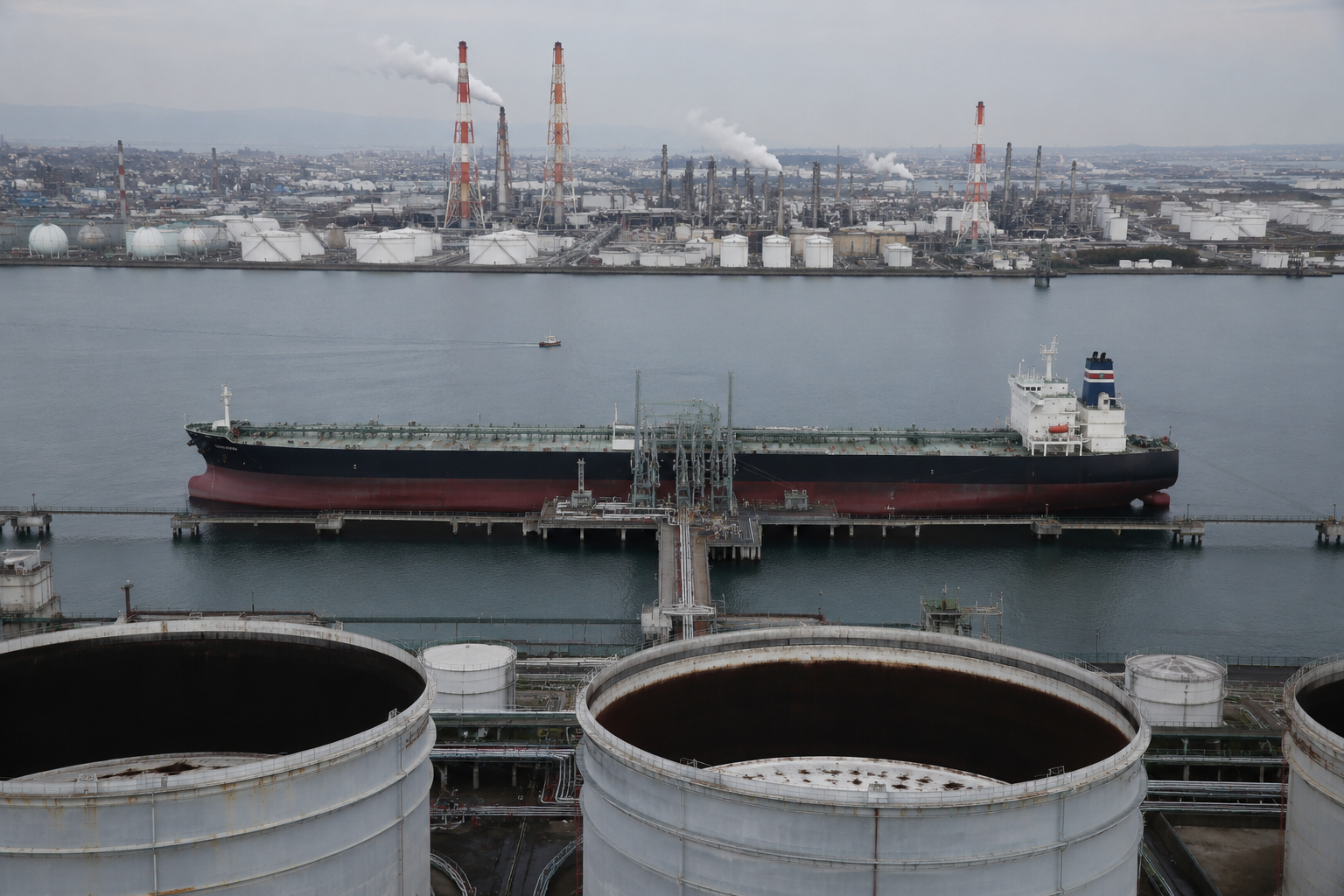
Oil prices extended their advance on Tuesday, with Brent holding near $107 a barrel and West Texas Intermediate above $102 as attacks on Saudi energy infrastructure deepened concerns that the Middle East’s remaining export routes are becoming increasingly fragile.
Brent futures gained about 1.3% to $107.01 in early Asian trade, while WTI rose a similar amount to $102.69.
US crude remains close to its highest level since May, shifting the market’s immediate focus away from demand concerns and towards the physical availability of barrels.
Saudi outage removes a crucial escape route
The most important development is the shutdown of Saudi Arabia’s East-West pipeline, which carries crude from the kingdom’s eastern fields to the Red Sea and allows exports to bypass the Strait of Hormuz.
Saudi Arabia closed the 1,200-kilometre route after a drone attack blamed on Iran-backed militias in Iraq. Regional officials said that repairs could take three to five weeks.
That matters because the pipeline had been moving between 2.6 million and 4 million barrels a day through the Red Sea port of Yanbu since late August, according to Rystad Energy.
At the upper end, that represents roughly 4% of global oil supply.
Rystad Energy’s Janiv Shah told AP that the jump in Brent already reflects a meaningful loss of supply.
He also cautioned that Saudi inventories can cushion exports only temporarily if the outage persists.
Shipping bottlenecks tighten the physical market
The pipeline shutdown would be less disruptive if alternative routes were operating normally. They are not.
Traffic through the Strait of Hormuz remains far below pre-war levels, while Houthi pressure around Bab el-Mandeb threatens another major passage linking the Red Sea with global markets.
Melius Research estimated that about 3 million barrels a day were moving through Bab el-Mandeb in early September, but told AP that flows may now be effectively zero.
The result is not simply a geopolitical risk premium. It is a logistics problem that can raise freight costs, delay cargoes and force refiners to compete more aggressively for available barrels.
Commonwealth Bank of Australia strategist Vivek Dhar told The Wall Street Journal that Chinese crude imports are rising while meaningful new non-OPEC+ supply outside the Middle East may not arrive until 2027.
He also sees an increasingly plausible scenario in which global oil and refined-product inventories provide only five to 11 weeks of cover.
Oil above $100 raises a wider inflation problem
The squeeze is already spreading beyond crude futures.
US diesel averaged a record $6.23 a gallon on Monday, showing how disrupted energy flows can quickly feed into transport and production costs.
Melius Research analysts told AP that an inflationary spillover is becoming increasingly likely, particularly with the US harvest and heating seasons approaching.
WTI’s move above the high-$90s still leaves momentum tilted higher, with the previous cycle peak around $107 a key technical reference.
But the bigger question is now physical rather than technical: how quickly Saudi Arabia can restore its pipeline, and whether enough crude can safely move through Hormuz and the Red Sea in the meantime.
The post Here’s why oil at $107 is exposing the failure of Saudi Arabia’s Plan B appeared first on Invezz

