



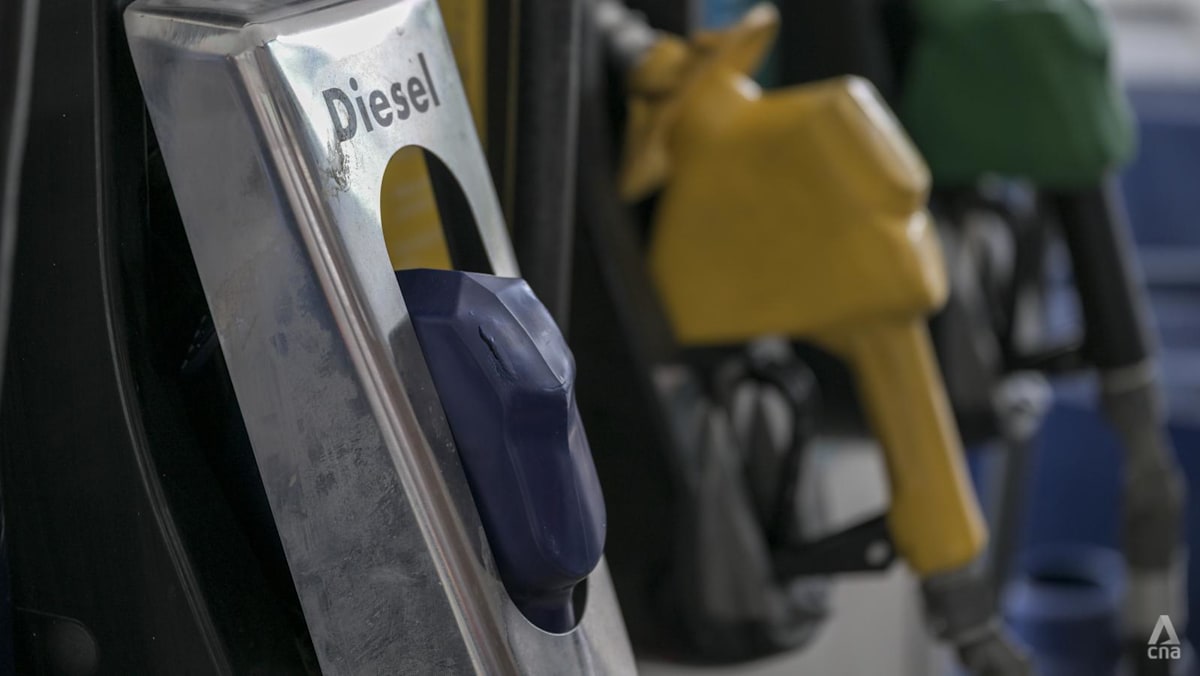
The move is the latest in a series of tweaks to the country’s diesel subsidy policies.
In 2023, Malaysia’s coffers were under pressure, after the country had spent a huge RM14.3 billion on blanket diesel subsidies that year, surging from RM1.4 billion in 2019.
Anyone in the country could buy diesel for RM2.15 a litre, the second cheapest in Southeast Asia after Brunei.
In June 2024, the federal government had enough. It removed blanket subsidies for diesel on the peninsula, floating its price and increasing it to RM3.35 per litre.
This reached a peak of RM6.72 in April this year as global oil prices spiked amid the Middle East war, before falling to the current price of RM4.07 per litre.
The authorities, however, decided in June 2024 to retain diesel subsidies for everyone in East Malaysia, maintaining its price at RM2.15 per litre. The poor roads and vast distances in Sabah and Sarawak meant diesel vehicles were more commonly used.
Still, the federal government said then that the move was expected to save around RM4 billion a year.
Mohd Afzanizam Abdul Rashid, chief economist at Bank Muamalat Malaysia, said the “significant difference” in diesel prices in neighbouring countries had led to smuggling activities.
“Therefore, there is an urgent need to plug those leakages in order to safeguard the spending on fuel subsidies,” he told CNA.
CURBING LEAKAGES AND SMUGGLING
The predicted RM2 billion annual savings from July’s new diesel subsidy policy will come from curbing leakages that grew more rampant after the Middle East war started in February, Amir said at a briefing explaining the move on Monday.
As the war progressed, he said diesel consumption patterns in Sabah and Sarawak showed unusual trends: Current diesel consumption in the East Malaysian states rose to 2 billion litres annually, compared with an estimated actual requirement of about 1 billion litres per year.
Amir also highlighted that before global oil prices rose, the government’s monthly subsidy bill for petrol and diesel in January and February was approximately RM800 million. This jumped to nearly RM5 billion in March and April.
The minister did not give the latest figures for Malaysia’s fuel subsidy bill, including how it is expected to change after the new diesel scheme kicks in in July.
The high subsidy bill in recent months indicated the existence of substantial subsidy leakages, where non-citizens were buying subsidised diesel, or this cheaper diesel was being smuggled to neighbouring countries and sold for a profit, he said.

