




Published On 19 Apr 2026
Tens of thousands of displaced Lebanese families have started to return to their southern homeland despite ongoing Israeli shelling and home demolitions near the border.
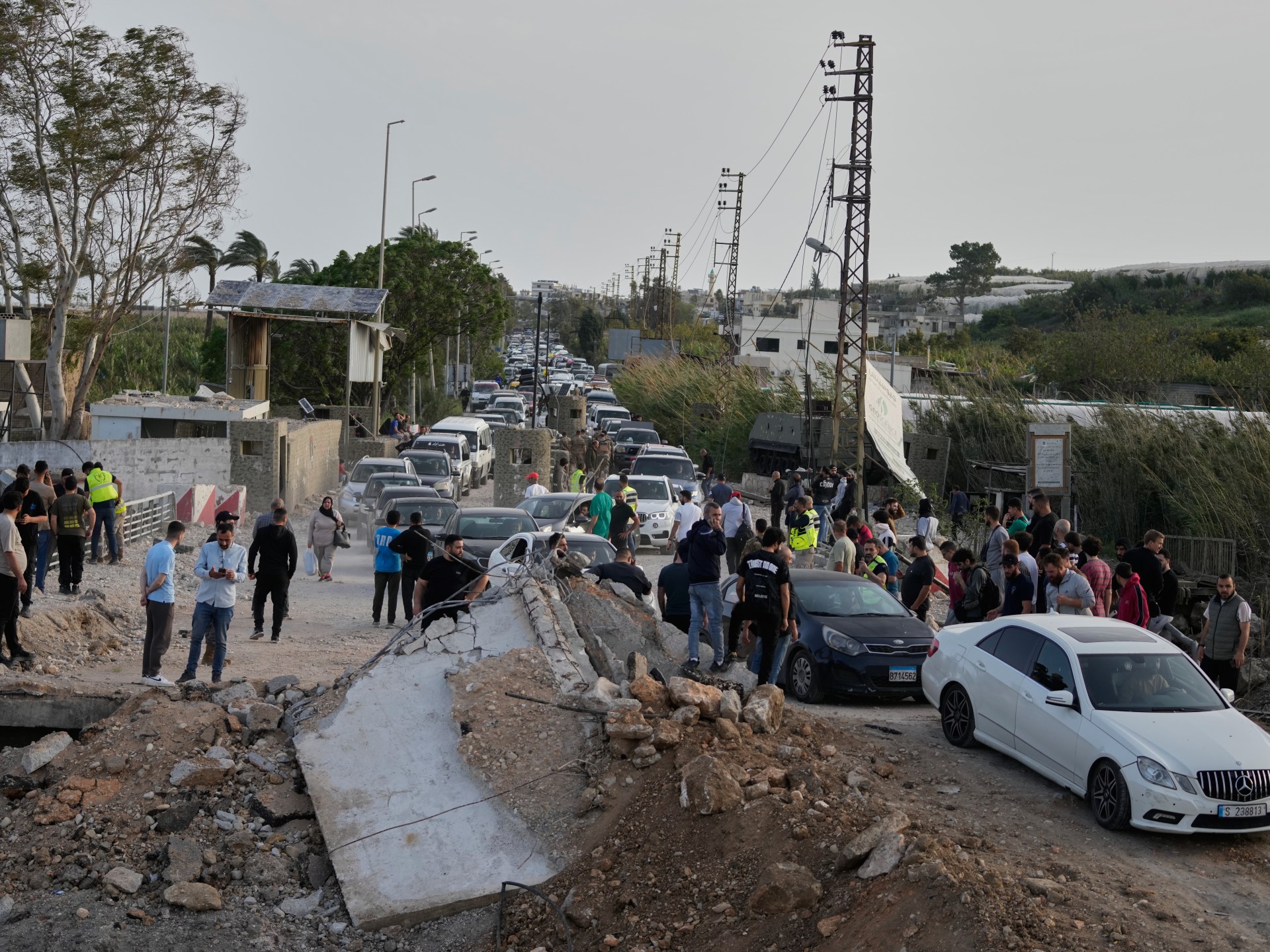
Saturday saw a steady stream of vehicles loaded with mattresses, bags and flags as families travelled south to evaluate the condition of their homes.
This tentative homecoming follows a 10-day truce between Lebanon and Israel, though the Lebanese army has advised residents to postpone their return while Hezbollah warns it has its “finger on the trigger” should Israel breach the agreement.
Many returnees found their homes destroyed or damaged beyond habitation, making them hesitant to stay, as fears persist that the delicate ceasefire between Hezbollah and Israel might unravel.
The truce has enabled numerous residents to inspect properties in Hezbollah-controlled territories, including southern suburbs that suffered intense Israeli bombardment.
Lebanese authorities report Israeli attacks killed nearly 2,300 people throughout the conflict and displaced more than one million, primarily from southern Lebanon and Beirut’s southern suburbs.
On Saturday, senior Hezbollah official Mahmoud Qamati offered a sobering assessment, warning that “Israeli treachery is expected at any time, and this is a temporary truce”.
“Take a breath, relax a little, but do not abandon the places you have taken refuge in until we are completely reassured about your return” to your homes, he said.
Local media and residents indicate Israeli forces continue demolition operations across several border villages.
The Israeli military announced on Saturday it had established a “Yellow Line” in southern Lebanon, similar to what it did in the Gaza Strip. “Yellow Line” is an Israeli-designated military zone and buffer established inside the Strip.
In southern Lebanon, military and local organisations have been clearing strike-blocked roads since the ceasefire began.
In Hanaway, east of the southern city of Tyre, deputy mayor Mustapha Bazzoun pledged to “restore life by securing all services, from communications to opening roads, so that people can return to their normal lives as quickly as possible”.
“People are returning, but cautiously. We are working based on the idea that their return will be permanent. They may leave temporarily, but they will return later.”

