

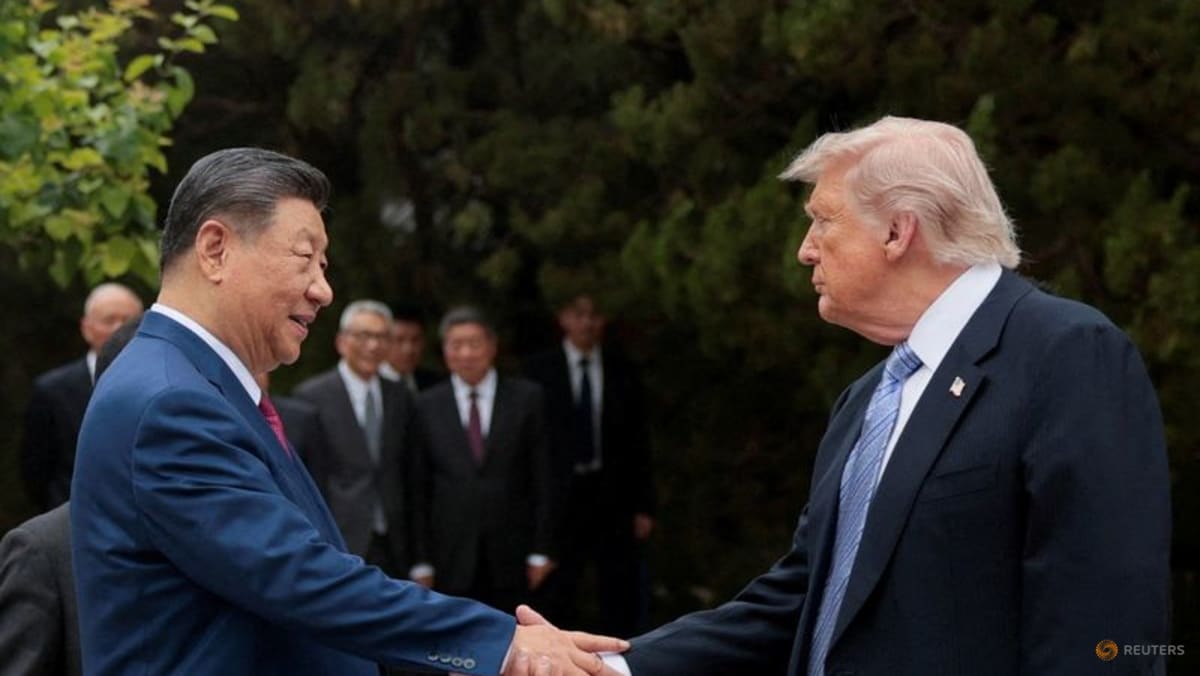
The two last met in Beijing in May, but the key encounter was in South Korea last October. Trump backed down from imposing more tariffs on China in return for Xi easing off on export controls on rare earth minerals, a near-monopoly which Beijing has spent decades painstakingly constructing.
Supposedly, Xi agreed a moratorium on export controls until this November. In practice, Beijing seems to have been tugging on the leash ever since. Rare earth exports have been falling in recent months, with reported concerns among Chinese producers of angering Beijing by selling to the US. In June, China added two US rare earth companies to its export control list, limiting Washington’s attempt to build its own supply chains.
Xi is acutely aware of his power to renege on agreements as a sign of strength. Back in Trump’s first term, when the US president was signing something close to actual agreements, the two leaders signed a “phase 1” deal which involved China pledging to liberalise some key sectors and buy US exports, particularly soybeans.
A promise to buy US$200 billion in extra products over a past baseline level was never kept, and if China had done the promised deregulation, the US wouldn’t be moaning about a non-market economy now. Trump and Xi agreed a new soybean purchase deal in 2025, which China is so far on track to keep, but compliance is always optional.
For his part, Trump’s caprice is famous. As Canada can tell you, no agreement will survive his angry and destructive whims, nor the dysfunction of his administration. Trump doesn’t lay off raising tariffs on China because he cares about principles and the rule of law: it’s because he knows the retaliatory consequences if he does not.

