

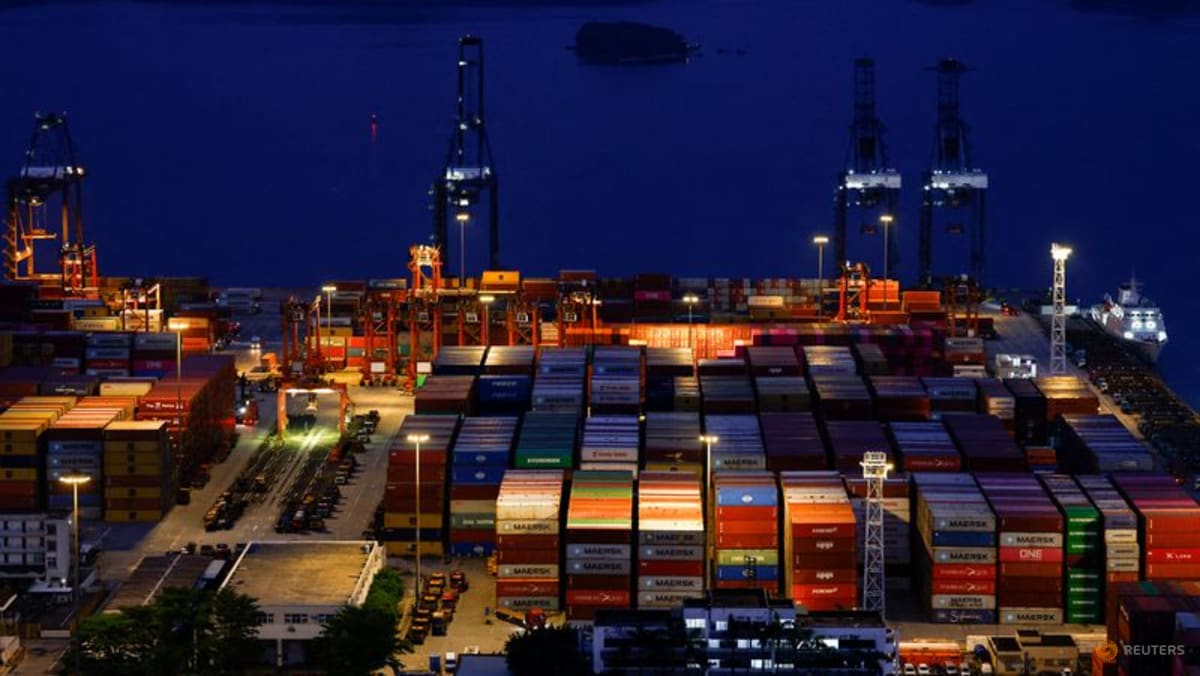
Imports grew 41.6 per cent, beating the median forecast for a 32 per cent increase in the Reuters poll and accelerating from the 31 per cent growth in September.
The Asia-Pacific Economic Cooperation summit will take place next week in the southern Chinese tech and innovation hub Shenzhen, where Chinese President Xi Jinping and US President Donald Trump are expected to meet for the third time so far this year.
HEADWINDS AND UNCERTAINTIES
One big worry for Beijing is that consumers remain reluctant to spend, constrained by a property market downturn that has battered household wealth and dented confidence in the economic outlook.
Sluggish demand at home has pushed Chinese automakers to seek sales in overseas markets. China’s car exports maintained a solid pace of growth in October, while domestic vehicle sales recorded a 12th straight month of declines, separate data released by an industry association showed.
Greater reliance on exports, however, leaves China’s economy increasingly exposed to any slowdown in global demand.
Much of the strength in exports this year has been fuelled by a global push to expand AI infrastructure.
“The outlook for exports depends on how long the AI boom will last,” Macquarie analysts wrote. They expect China’s exports to accelerate further in the fourth quarter before starting to slow from the first quarter of 2027.

