

KUALA LUMPUR: Asia-Pacific airlines face growing exposure to elevated jet fuel prices as older hedging contracts expire and carriers must decide whether to lock in new cover at higher levels, industry executives said.
The spot price of jet fuel is trading at about US$148 a barrel, down from nearly US$180 at the end of October but still far higher than US$85 or so before the Iran war began in late February.
Wong Hong, director general of the Association of Asia Pacific Airlines, said fuel now makes up about 33 per cent of airlines’ operating costs, a share global industry group IATA had pegged at 25 per cent last year before prices surged.
Wong, whose group represents 18 of the region’s carriers, called hedging a “very, very tricky dilemma”.
Airlines that had hedging contracts in place over the past six to eight months were “coming out smelling like a rose”, he said, but now faced re-hedging at higher prices.
Deciding whether to add more hedges is a bet on whether fuel prices will remain high, and airline executives attending AAPA’s annual assembly in Kuala Lumpur this week differed in their views on how long the pain would last.
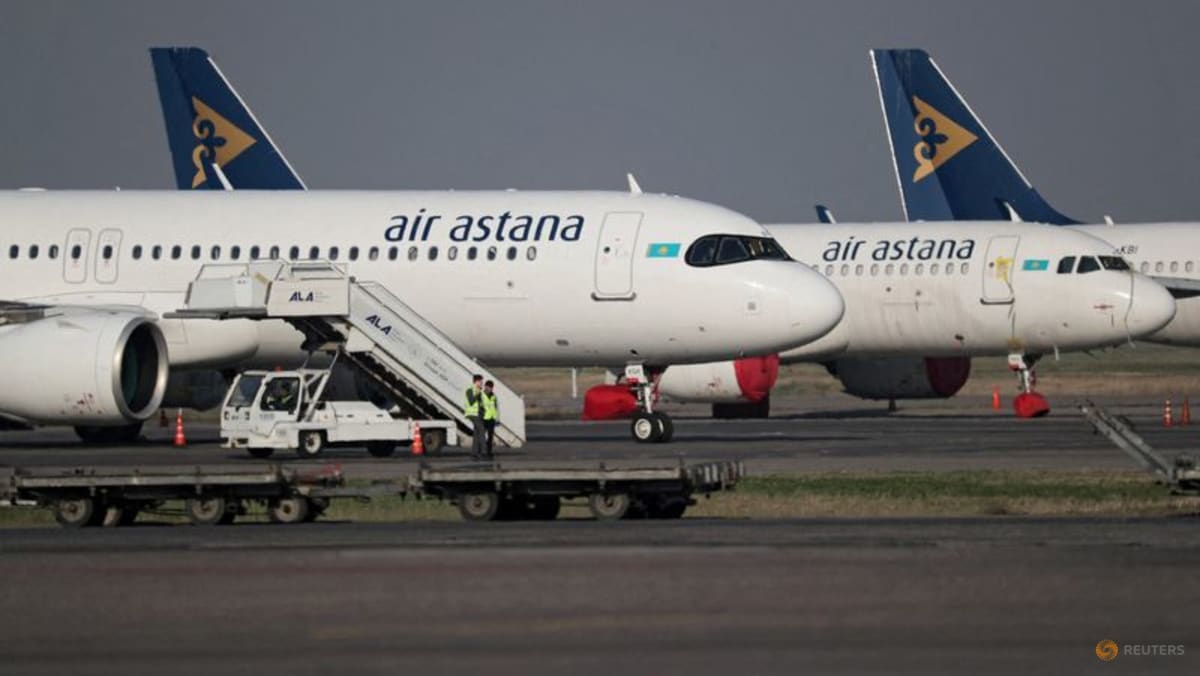
“Our view is that we are facing a new normal where the fuel price is there to stay at the levels that we see more or less today,” Air Astana CEO Ibrahim Canliel said in an interview, referring to Brent oil prices of about US$90 to US$100 a barrel.
The Kazakh carrier’s first-half hedges have expired and prices were at levels that “did not make sense” to lock in new cover, he said. But the airline plans to rebuild its position, aiming to hedge all of the fuel it buys outside Kazakhstan, about 30 per cent of its total in a typical year, Canliel added.

