


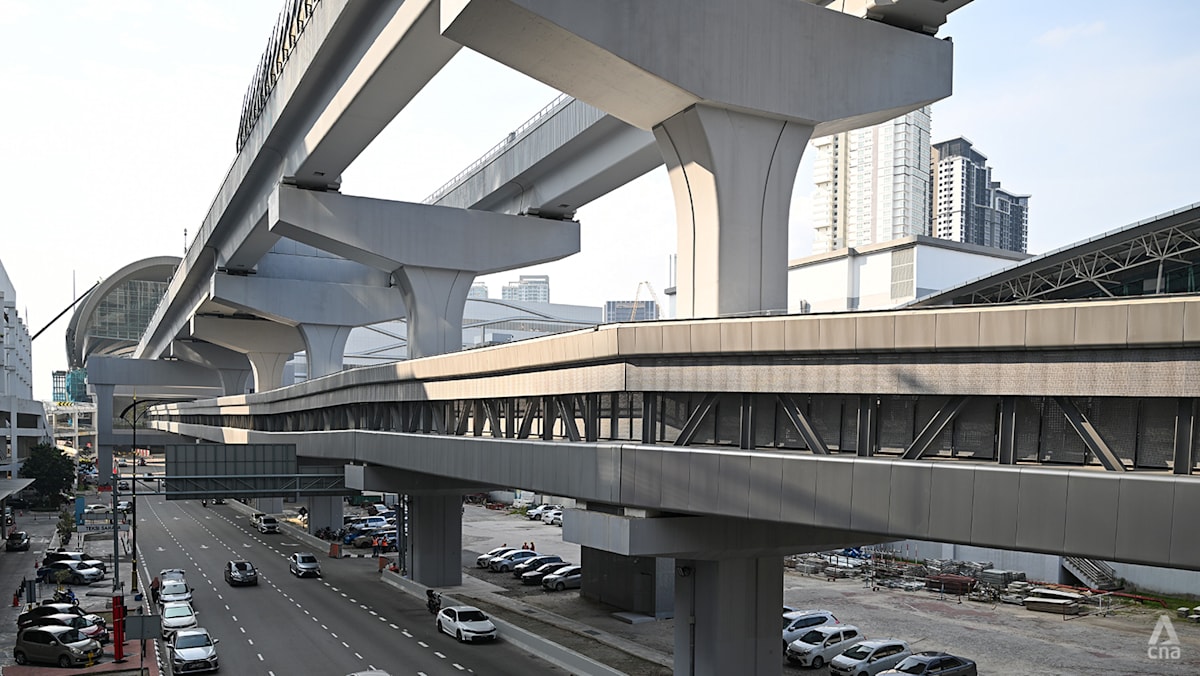
“This is not anti-car. The arithmetic is simple. What the RTS and SEZ will bring in will make it impossible for everyone to travel within the CBD by car. Therefore, walking has to be a viable option,” Zali added.
Doing so, he stressed, would require firm policies and consistent enforcement, including keeping designated lanes clear during stipulated hours and clearly setting out which government agencies are responsible for enforcing the rules.
Architect Chau agreed that a shift towards active mobility was necessary, and said Johor authorities recognise the need for change.
“Authorities are aware of the importance of promoting active mobility, to reduce congestion, make people healthier both bodily and mentally, and to (switch) to public transport.”
But transforming a city centre built around cars will not be straightforward, Chau acknowledged, given decades of infrastructure devoted to highways, roads and car parks.
“Once you put them in place, it’s not simply something you can redo,” he added.
For cyclists, the limitations of the existing infrastructure have long been apparent.
Avid cyclist Wong Chien Yee, who cycles across the city from his home in Taman Perling twice a week, told CNA that he avoids IIBD because of persistent congestion and bicycle lanes that are frequently obstructed by parked cars and construction works.
“It’s a waste because ideally I’d love to cycle through the waterfront area (along Danga Bay) and cut into town, but it’s just not safe, not feasible,” said the 36-year-old.
“I think ahead of the RTS Link launch, they should consider proper paths for pedestrians and cyclists in the city. There will be less pollution and the place (will be) more pleasant,” added the small business owner.

